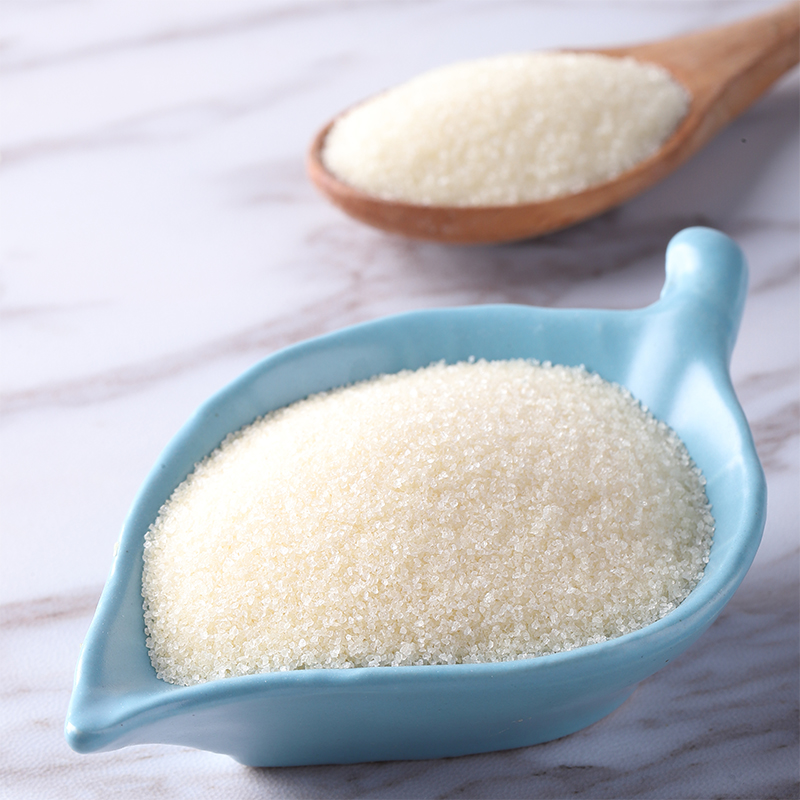

Gelatin has many advantages, and in the pharmaceutical process, gelatin can interact with drug molecules to form stable complexes or encapsulated structures, thereby achieving the encapsulation, controlled release and protection of drugs.
● What is gelatin
Gelatin is a protein extracted from collagen from animal skin, bones, tendons, and ligaments. It is widely used in the pharmaceutical industry due to its unique properties, such as its ability to form stable complexes with drug molecules, its solubility in water, and its ability to form a protective coating for drugs
●The effect of gelatin on pharmaceutical production
In the production of pharmaceuticals, gelatin is used to create various dosage forms such as capsules, tablets, and films. Its ability to form a gel when cooled and solidify when heated makes it ideal for creating hard and soft capsules. The gelatin shell encapsulates the drug and protects it from the environment, while also controlling its release over time.
Gelatin is also used in the production of plasma and coatings for tablets and capsules. The coating can be designed to release the drug at a specific rate or to protect it from stomach acid. Plasma is a mixture of gelatin and other ingredients that is used to fill empty spaces in tablet formulations, providing stability and reducing the risk of breakage during handling.
Overall, gelatin plays a crucial role in the pharmaceutical industry by providing a versatile and effective means of delivering drugs in a safe and controlled manner.